Freitag, 14. September 2012

The Travelogue, Part XXXIV - Finland: Patina Value


Sometimes Finland reminds me of how the Germany of the 50's was described to me. High social security, mostly locally run businesses where the owner was a father figure and employees were loyal, where economy and national identity formed a romantic alliance. Stuff was re-used, not thrown away, because it was made of quality. While Finland gradually becomes more globalized and Finns do not work in the same company for 25 years anymore or can count on even finding a job within Finland, attitudes seem to be slower to change. Finnish corporations have long adapted to "international" methods of hire and fire and cheap labour, but still Finns seem to reward them with the same amount of loyalty (both as workers and as customers) as in the old days. Not few of my friends buy Nokia phones out of principle, and will not quit whatever job they have "because they have been there so long already". Company loyalty is also often the deciding factor in progressing in the ranks of the company, rather than skill or expertise, much to the dismay of my more ambitious expat friends.


The same recognition of perseverance is given to objects. Helsinki must have as many vintage shops and antiques dealers as it has bars. Where the majority of the Western world moved away from collecting old oaken furniture and pocelain vases in favour of flashy new designs in plastic and steel, Finland still is willing to fork out a premium for all things old and sturdy. This extends well beyond furniture. Military paraphernalia and vintage cars are also very popular, and people can regularly be seen parading their acquisitions around town. According to a Russian antiques dealer I met, Finns are the most avid collectors of 20th century warfare remains before even the Americans. The biggest supplier of military paraphernalia (both old and new) in Europe has its home in Helsinki and makes very good profit.

Varusteleka military supply interior

Aside from a appreciation of sturdiness it might be the country's very young history that prompts its inhabitants to collect objects laden with historic significance. There definitely is a desire to create some sense of national tradition and heritage, which even shows in Finland's very own architectural style.

Finnish Jugendstil


Helsinki National Theater

Commonly associated more with its lithographic examples, such as Alphonse Mucha's flowing female forms, Jugendstil (or "Art Nouveau") is perceived to be a playful and light art movement. In Finland it took a more nationalistic note. Finnish Jungendstil is still extravagant and expressive by Nordic standards, but takes much inspiration from traditionally Finnish ideals. Solid, sturdy shapes, ornamented with symbols of nature and characters from the Kalevala, the national epic of Finland. The style is reminiscent of fairy tale castles and idealized medieval architecture - just with a more bulky, rough twist of Finnish weather.


If continental art nouveau is a steed with flowing mane then Finnish Jugend is a venerable brown bear, maybe not as fluid and graceful but equally beautiful and impressive. This fusion of ornamental style and longing for a distinct national identity has created (in my humble opinion) the single most interesting historic attraction in Finland. I would even considering going as far as saying that this artistic movement and its remains are the most interesting thing to see in Helsinki, before Suomenlinna fortress or the Rock Church. If you are looking for something uniquely Finnish, a walk around town is all you need.

Eira, Helsinki

Recycling Culture


But the obsession with things old and time-honored is not one that passively dwells on the past. One of Finland's angles on the future is recombining the venerable into the modern. Sustainability is not just a buzzword here. Good quality items can be used by many and for a long time, and Finns are not afraid to buy second hand. There is a truly commendable ambition to recycle and reuse, and unlike more consumption-orientated societies such as Britain, there is no stigma attached to doing so. Even relatively well-to-do inhabitants have no qualms about finding their latest Sofa at a recycling center if they happen to fancy it. Helsinki's sports probably the world's classiest second hand shops, with high quality items all the way through, and I have completely lost count of the myriad of flea market events going on in this town.

UFF, one of the many second hand chains

Finding inventive ways to repurpose old items is something of a national sport, and some of Finland's most popular designers make the majority of their design from reused materials. The official pavillion of the Helsinki Design Capital 2012 is entirely made from recycled materials. If you want some more examples, have a look at my friend Outi's fashion recycling blog, which's high view counts show that this aspect of Finnish culture well hits the nerve of the time.

Helsinki design capital pavillion

Dienstag, 28. August 2012

The Travelogue, Part XXXVIII - Finland: Tom Sawyer's Apple


Sorry for the lack of people-pictures in this post, but I just haven't shot any good ones this summer. :(
 
Anyone remember the story about Tom Sawyer being told by his guardian that an apple tastes so much better when acquired by hard work rather than by coincidence? This is how summer works in Finland.

Summer holds a special place in Finnish hearts, more special than in any other country I have been to. Summer is constantly mentioned all across the dark winter days like a magical incantation without which the forces of cold will eternally cover the Finnish realm."Wait until summer!" is the enthusiastic advice given to all foreigners (and depending on situation, to fellow Finns) whenever reference is made to the coldness of the country. "Wait until summer!" is universal; it works for weather-based gripes as well as well as those sprung from emotional discontent. Immigrants disgruntled by Finnish social culture are regularly promised a complete change of mood come summer. And guess what: it's true.

Add caption

When temperatures rise, Finns start popping up in the normally empty streets like Snowdrops in the thawing meadows. First tentatively, then in their full mini-skirted and short-trousered glory. Actual temperatures matter little, it's almost like Finns believe they can conjure summer into being by behaving like it is already there. And they smile. Sometimes even at strangers. If you are lucky (and can hold your liquor) you might even get invited to a random person's barbeque while you pass by.

Due to the long winters, Finns seem to have the impression they have earned their summer and nothing in the world will stop them from having enjoying it. For starters, that means your office is going to be empty. Almost all Finns take (and often are even required to take) their holidays in summer, mostly to spend them in Finland. Or some other faraway place that happens to be hot  and sunny during that one short time it's actually hot and sunny in Finland as well. They head for their Mökkis (country houses) or parents' places to spend some time holed up with the people they spent the whole winter holed up with already.


It also means you get to be outside a lot. Finland is suddenly bursting with festivals, concerts and other outdoor entertainment as if it was the national way of life. The Finnish festival site states that "The total aggregate national festival audience once again approached two million" - meaning almost every second Finn ended up going to a festival last year, not including independent ones. Parks are seamlessly tiled with picnic parties and sunbathers of all ages even during the weekday mornings. That is possible mainly by aforementioned feeling of entitlement to "your" summer: if you are indeed working during the summer holiday time you will find that your Finnish colleagues suddenly have exchanged their hard-headed work ethic for an almost southern laissez-faire. Half work-days to catch some sun on the roof? Absolutely. Beers during office hours? Why not. Business meetings at the beach? Entirely possible. Everyone just accepts that during summer, rules don't apply.


Speaking of rules, one great thing about Finland (and indeed most Skadinavian countries) is the Everyman's Right. True to its name, it allows all citizens the freedom to camp whereever they wish in the countryside, fish with a rod or collect berries and mushrooms to their heart's content. So if you like nature, wild camping or simply the taste of fresh blueberries and chantarelles you are allowed to enjoy all of that (almost) everywhere in Finland for free.This includes private property, by the way.

Hmmmm...Herkkutatti

Summertime is also the best time to visit in Finland for more obvious reasons. It's warm, people are at their friendliest and there is lots of music festivals. If you are coming to live here for a while, however, I'd recommend you come in November. That way you have something to look forward to during the long winter nights rather than seeing it all go downhill. Because right now, it's already starting to be Autumn up here and it's "Wait until summer!" again.


Montag, 25. Juni 2012

The Travelogue, Part XXXVII - Sweden: Scandinavian Pole Dancing


Easter, Carnival, Pentecost, Chistmas - wherever you look, all of our former honestly Pagan festivities have been compromised by Chistendom. And although the church still struggles to explain what an egg-laying rabbit has got to do with the ressurection of Christ, it has managed to successfully re-brand all holy days of former competitors to its own liking. Only in a small country in the north of Europe a single bastion of family-friendly paganism still exists.

If you entered Stockholm around the 21st of June, you might well think it is a ghost town. Shops are mostly closed, and you will only encounter the lonely or over-worked staggering homewards along with the proverbial tumbleweed. What has happened? A Pandemia? Free booze cruises to Germany? Zombie Apocalypse? No, it's

Midsommar in Sweden


A typical Swedish country house
 
Simply known as summer solstice elsewhere, the longest period of daylight in the year is a major festivity notoriously gloomy Sweden. According to some people even bigger than Christmas, and understandably so: midsommar is warm, outside and a fertility festival. You can imagine what that means. And yes, all they say about Swedes is true.

But first things first. Midsommar is traditionally celebrated on the countryside, with friends and family. If you yourself do not own a countryside house, one of your friends will surely do and take you along. The actual celebration consists of people both young and old dancing around a giant phallic symbol that is thought to be impregnating the earth and bring a good harvest. Before you think of Japanese penis festivals, be told that Swedes are more classy and have decorated their phallus with fresh greenery and it thusly looks a lot less conspicuous than one would assume.

The Midsommar Pole

There are several songs that are traditionally danced to, but one of the most popular ones is "Små grodorna", which roughly goes: "Little frogs are funny to look at, they got no ears, they got no tails...croak-ak-ak, croak-ak-ak." Dancers are required to make the appropriate movements, using their hands to imitate ears and tails and frog-hop to the croaking. Although Swedish adults claim they only do that for the children, the barely disguised enjoyment on their faces gives away their true sentiments.

A Midsommar wreath (Krans)

A lot of Midsommar traditions involve flowers and shrubbery, such as making wreaths or collecting seven kinds of flower to put under your pillow to dream of your future husband. More memorable, at least from a purely physical perspective, are the food and drink rituals. And drink they do! Shots of liquor are raised at various intervals along the generous amounts of Swedish delicacies that pile up on the table. Unsuspecting foreigners have been known to be dead drunk before dinner even starts. Don't try to sing along to any of the drinking rhymes, you'll sound even drunker in Swedish than in your own language.

One of the many Snaps shots that await you. Skål!

Being the most Swedish of all celebrations (it was even proposed to be the national day), Midsommar food consists of everything traditionally Swedish (unless you ask Danes): Kötbullar (Meatballs), herring (pickled or in cream sauce), new potatoes, salmon and rye bread are usually part of the menu. The year's first strawberries are served as a dessert.

A selection of Swedish (and not-so-Swedish) foods

Finally, Midsommar is a fertility festival. While that does not necessarily mean you need to make kids, the procreational pressure seems to translate at least into an increased amorous activity amongst the Swedes - never have I seen so many fresh couples in one place. As March (Midsommar + 9 months) still has the highest birth rate throughout the Swedish year, I'm lead to the assumption that these relationships are not purely platonic however...

All pictures are mine to use and copy, so please don't take them without permission (has happened).

Freitag, 11. Mai 2012

The Travelogue, Part XXXVI - A Finnish Dictionary


The Finnish Maiden

When you live in a foreign country and both you and the inhabitants are forced to communicate in an alien language, misunderstandings abound. This is of course equally true in Finland, where the English word used might reflect something entirely different than you would normally assume. To prevent you from falling into some of the many pitfalls if you ever venture here, I have collated some of the more common words so you know the subtle differences in meaning between Finland and the rest of the world.


My Finns - I know some of you won't respond kindly to this, so just see it as a test of humour. :)

Geography 

Finland and surroundings

"An American, a Russian and a Finn watch their neighbour drive by in his new sports car. The American shouts: 'Awesome car dude, you're really doing well for yourself!'. The Russian mutters between his teeth: 'Man, I'd really like a car like this.' The Finn quietly thinks to himself: 'I hate the fucker. Who does he think he is? I hope he just crashes and dies.'"

- common Finnish joke 

Finland: The glorious maiden-shaped Duchy of Finland who achieved independence from Russia and Sweden, won the Winter War despite inferior forces, home of Nokia and Mika Haekinnen and best country to live in (apart from during winter). Not "The little country up there where Sweden is."
Helsinki: ->capital
Russia: neighbouring country that lusts for Finland's rich natural resources and innumerable work force. Built all pretty buildings in Helsinki and now apparently wants them back.
Sweden: Imperialist neighbour hated for 800 years of cultural hegemony and forcing Finns to learn Swedish in school.
Stockholm: town you sleep in to cure the hangover of the cruise from -> Finland before you head back the next day 
Swede - snob, arrogant prick, or faggot
Swedish Finn - half-snob, half-prick or half-gay
Thailand: hot place you go to meet other Finns on summer vacation when it's hot in Finland anyway
Tampere: Wannabe ->capital
Turku: Former ->capital for people who haven't made it to Helsinki yet
Jyväskylä: Hillbillie town meets star architect
Lappland: where Santa lives, in his own amusement park for Japanese people.
Karelia: stretch of land in lost to ->Russia that Finland needs back to solve its overpopulation problem

Society

Finnish Independence Monument

"Depression in Finland is a bit like the Football world cup in Germany - everyone does their best to excite everyone to join in."  

-Me
 
Holidays - Government-alloted amount of workdays including Saturdays you have accumulated from April to April at a rate of 2 days per month to be spend recreationally during the summer period in Finland instead of in winter when you would most want to leave.
Lottery - what you won when you are born and live in Finland. Kids learn this in school.
Fashion: what was hip in Sweden long enough ago that no one thinks you're Swedish
World War II: entertainment category between the "Comedy" and "Horror" shelves in the video rental store
Red light: an impregnable barrier that keeps you from crossing the road despite lack of cars
Lunch: late breakfast (~ 11:00)
Suicide: usually includes wife and kids
Army: first and last line of defense against ->Russia. Also only official certifier of your worth as Finnish man.
Complaining: Finns are allowed to complain about everything. Foreigners are limited to the following: weather, cold, taxes, Alko closing times, Swedes, darkness. Complaining about anything else will be considered ungrateful and impolite.
Hobby: diversion from ->depression
Sport: preferred ->hobby, as it is healthy, cheap and requires little talking to other people

Tradition and Culture 


Students in their uniform on Vappu

"Leuka rintaan ja kohti uusia pettymyksiä."
(Chin down and towards new dissapointments.)

- Finnish saying

Design Capital 2012: ->Helsinki
Aalto - one of the two designers, famous for the Aalto Vase
Maija Isola - the other of the two designers, created the famous Marimekko flower print
Alko: national liquor store with monoploy. Opens when you're at work and closes before you get home. Used to be called "Oy Alkoholiliike", but similarity to "Oi, Alcoholic!" caused a re-branding.
Vappu (May Day): excuse to get drunk (wearing a university overall)
Johanus (Midsummer): excuse to get drunk (around a bonfire)
Joulu (Christmas): excuse to get drunk (next to a fir tree)
Itkuvirsi: folk music, literally meaning crying psalm
Spring: season created through Finnish force of will by wearing shorter clothing despite nature's lack of thermic compliance
Summer - the greatest thing about Finland and the only reason why Finnish people make it through the winter
Vittu: meaning pussy, roughly equals the use of fuck!/fucking in English. Uses include "Haista Vittu!" - Fuck off (lit. "Go smell pussy") or "Voi Vittu!" - Oh shit (lit. "Butter pussy!").
Jallu(vina): the devil in glasses
Salmiakki: the devils younger equally evil sister
Lonkero: alcopops on tab
Mökki: countryside hut where Finns traditionally go in summer to greet the newborn mosquitoes

Social Interaction 


"Kellä onni on, se onnen kätkeköön." 
 (Let the one possessed by happiness conceal his happiness.)

- Finnish saying

Compliment: elsewhere: an expression of praise, commendation, or admiration which might or might not be sincere. Finland: a sincere expression of sexual interest by insincere means
Troll (m./f.): what Finns become under the influence of too much alcohol. It's like full moon for werewolves.
Trollsex: what you will be getting when you take a -> Troll home after a night out.
Staying overnight: Social fauxpas that will make the bed's owner assume you either are too drunk to walk home or that you desire a relationship.
Smalltalk: talking about anything else than your most immediate needs. Anything concerning topics above tier 2 on the Maslow's Pyramid is small talk.
Silence: socially perfectly acceptable answer to any asked ->question
Extrovert: talks to friends of friends without introduction
Question: sign of lack of self-reliance and perseverance in solving your own problems
Fuss: what you are causing when addressing a problem
Bragging: what a Finnish professor in francophone literature does when he claims he "picked up a little French along the way."

More Commonly Confused Words


2012 Presidential election poster

"How to turn a death sentence into lifelong imprisonment: ask to learn Finnish for your last wish." 

- Finnish joke

Pop: metal
Fridge: closet that keeps food warm in winter
Spice: Salt 
Affair: impending marriage
Sociable: slutty just without the sex part
sarcasm: a lie or insult in the assumption that either will automatically include wit and humour.
dating: laborious American way of getting laid
Tango: Polka
Capital: over-sized village
Flirting: free drinks
Shy: socially inept 
Doing well: being hated
Ice Hockey: football 


Sonntag, 12. Februar 2012

The Travelogue, Part XXXV - Finland: Land of Comfortable Silence

Finland


Some of you might know I recently moved to Finland. Many of you have been asking me what it is like. Now that I have been here for a month I will share my first tentative observations. Currently I am making these from the safe location of Helsinki, but I expect to be a bit more intrepid in the near future.

Helsinki itself is a medium sized town on the southern Finnish coast, sprawling across a scattering of beautiful islands. This coastal location makes it much warmer then the rest of Finland, so you might be surprised to hear that is actually not 'that cold'. In fact it's often warmer then, for example, Berlin and gets the same leisurely 30 degrees in summer. It has a lovely Russian classicist center and the sea is never far.

So what have my experiences with Finns been so far? I just want to mention two subjects that I repeatedly find myself confronted with.


Finnish Identity


Sandwiched between Russia and Sweden, always under hegemony from either of the two, Finland only became a nation as late 1917. Apart from language, Finland has little unique cultural definitions of its own, as I had to learn visiting the national museum. This is probably why Finns are exceptionally keen on pointing out the multitude of Finland's achievements over the course of its short history. To do my part and pass on the glory of Finnish ingenuity I shall introduce you to some of the most important Finnish contributions to human history.

 The Dish-Drying Cupboard


Probably the most Finnish of inventions, the Dish-Drying Cupboard is simple, understated and practical. Washed dishes are put over the sink to dry, conveniently hidden in the cupboard. I don't know why it's so rare outside Finland, as it is pretty ingenious.

The Molotov Cocktail


Yes, that's right: the Molotov cocktail. During the Finnish war (1939-40) against Russia, the Finnish army found itself severely outnumbered and under-equipped. The valiant defense of the Finnish guerrilla gathered the Finns a lot of respect in Europe and serves as the prime example for the Finnish most defining character trait: sisu. Commonly translated as "gritty perseverance" it basically means you are a tough fucker. You know, the type of guy who will make a point by hacking a hole into the ice to take a swim, just because he can. The Molotov Cocktail is named after the Russian foreign minister of the time, which is pretty much his only claim to fame.

The Mumins


Created by Tove Janson, the Mumins have achieved international renown ever since they received feature film treatment in Japan. The Mumins are a family of troll-like creatures inhabiting the Finnish forest (and at times other places). The series is commonly considered kids entertainment, but includes dealing with sophisticated topics such as materialism and depression. The Mumins still remain bestsellers and have just recently spawned a new TV show.

Linux


The famous free open source software with the annoying penguin mascot now has an estimated 60 million users. The Finn Linus Torvalds created its base in 1991 and it has since steadily grown to become the world's largest free open source operating system.

Despite all these famous contraptions, some Finns seem to be on a veritable crusade to fight Finland's ever-looming descent into obscurity, producing what they believe to be a famous person or event in Finnish history for virtually every conversation subject you might broach. If necessary, even 1957 Miss World Marita Lindahl will be pulled from the depths of beauty pageant history to illustrate Finland's claim to international renown. If you preemptively present yourself to be knowledgeable in Finnish fame history you will avoid getting lectured and you might even win a smile.

Finnish social culture


In terms of social ambiance, Moving to Finland from the UK is a bit like moving from the green meadows into the desert. Let me illustrate. I went out with a friend of mine. On the table, we meet a lot of his other friends. As they are friends of my friend, I figured I should introduce myself. I walk up to the first person. "Hey, I'm Florian." and extend my hand. The person looks at me with an expression of utter indifference. After some seconds of unexpected silence, he says: "You know, in our culture you don't need to say anything if have got nothing to say." I stand there for another three or so awkward seconds before I try to retract my extended hand as naturally as possible.
As you can see, having a friendly chat with strangers is not exactly rooted in Finnish society. But I have gathered five preliminary rules to help you avoid similar situations of awkwardness when you go out to socialize in Finland.

Rule of the Drink
The secret to enjoyable conversation in Finland is being able to judge the individual drinking capabilities of the person you talk to. You want to catch your conversation partners at about 75% drunkenness. Before they lack the social lubricant to converse and past that they'll be too wasted to talk.

Rule of Physical Distance
My Finnish workmate calls it the rule of the fist. If you are within a (stretched-out) fist's range, you are to close. Don't touch, don't hug, don't kiss. Unless you are both correctly estimated to be past 75% drunkenness. This may sound limiting, but do not despair: with many Finns this is a daily occurrence.

Rule of Exact Information
Finland is a very information-efficient country. Say more than required and people will consider you a nuisance, say less than necessary, and things will go awry, as Finns will not make any assumptions on their own. So don't expect the bus driver (or anyone else on the bus) to tell you which station to get off just because you asked whether the bus is going there.

Rule of Self-reliance
While this principle transcends conversation, the ideal of sisu has a profound conversational effect. People will make you feel like an idiot if you ask questions. After all, you could have spend two hours figuring things out on your own now, couldn't you.

The Rule of Comfortable Silence
When there is nothing of importance being discussed, silence between two conversation partners is not anything to get uncomfortable about. Finns will not consider you a bad conversation partner if you say nothing.


Socializing with women is marginally easier, mainly because someone needs to take care of the procreation business when all the men have passed out. Finland is also supposed to be one of the most gender-neutral countries on earth. It was the first nation to establish full voting rights for women, and is still on the forefront of gender equality. Employment among women is as high as among men, and many of the state-run services, such as free daycare for children, make sure it stays that way. All this makes Finnish women refreshingly hands-on. Finnish women are the type of girl who will get her high heels off and help you carry your couch into your apartment right before she's about to go on a night out, as it happened to me three days ago. Flirting is an almost exclusively female domain in Finland, as Finnish men are usually either too shy to make a move or too drunk to be attractive. So don't be surprised when women are very explicit about their intentions...one of my Italian colleagues was so frightened he asked me for protection the other day...


Mittwoch, 9. November 2011

Becoming a Games Designer


I decided to write this post because I get asked this question by so many people and I thought it would probably be easier to just send them a link to this blog post next time. I will try to be as exhaustive as I can, while still keeping it manageable. Please mind that this reflects the sum of my personal experiences with the subject, and different fellows of my trade might give you different, even opposing advice. But that's how life is. Just ask your friends what makes a man a man and you will know what I mean. So don't take any of this for the golden apple of wisdom, because it isn't. But it will help you get a good idea of what to expect if you want to pursue this profession.

What is a Game Designer?

A games designer does pretty much the same thing for games as a director does for a movie: he invents, guides and organizes the concepts behind a computer game. He develops the vision and ensures that the player receives the intended experience throughout the whole development process. Everything that works behind the scenes to glue artwork and code together is the work of a games designer.

What does a Games Designer do? 

What your daily work will consist of depends on several factors. The first is obviously your level of seniority. If you are an intern or junior designer, you will most likely be documenting the current features in the design document. This may not sound very exciting, but it means you get to sit in all the important meetings and you will have a full overview of the game. As you progress, you will be given your own design work on a limited set of features or a certain area of the game, for example vehicle combat or the diplomacy system. As a senior designer, you will own a large chunk of the game, which can be as general as 'combat' or 'multiplayer'. Once you are a lead designer, you will form the core vision of the game and make sure that all the parts play well together. While that sounds like the best part, remember that lead jobs are mostly administrative and you will have little time for actual designing yourself.
Another factor is which part of the development cycle you are in. In the early stages of the game, when everything is still wild ideas and cloud castles, you will be having lots of meetings, exhilarating pie-in-the-sky watercooler conversations and all those passionate feature discussions which make working in a creative industry so amazing. Once these ideas consolidate, you will be writing proposals for your assigned area of design, and chat with coders about how feasible these ideas will be. Once implementation begins, you will be testing and tweaking your plans, discard and reconfigure as the game comes together. Finally, you will do the balancing and hammering out bugs in your design. Depending on the assets of the studio, you will be running tests with consumers, represent your product at conventions and interviews and pitch it to publishers at meetings.
Finally, your duties depend on the type of game you will be making. If you work on a racing game, the majority of your time will be spent playing the game to see if controls work well, levels are challenging and maybe do some hands-on editing work on the tracks. On a browser-based empire building game you might spend more time in front of Excel than your game's interface, spinning numbers and tweaking effect values. Just be sure that you find yourself in the right type of game for your personality, as an exceptional designer in one genre might be useless in the other.

Types of designers

Unlike the movie industry, which has been refining and streamlining its production for over a century, the games industry still has no clear cut common job definitions. Not long ago, there weren't even dedicated designers in companies, and design was done by whomever found time for it between two lines of code. Consequently, companies have very different ideas of what a designer should do. Still sometimes I come across a position for a game designer when the job description is actually more that of a producer or a programmer. The following titles are in my opinion generally accepted to be useable differentiations of game designers, and you will encounter them frequently in job ads. Unless you are extraordinarily gifted, you will find that your strengths lie more with one of these more than the others, and specialization (at least later on) is a good idea. Not all companies have all of these, it depends entirely on game type, studio size and of course its financial situation. It is entirely possible that on smaller games, you will be all of these at the same time.

Systems Designer 

This is the 'classical' game design role. System designers design the rule framework behind the action, whether it be autocannon damage values or medieval trading logistics. They come up with all the calculations that happen in the background every time a blow connects to a helmet, a new farmhouse is being built on fertile land or you do the high speed twirl to get the extra points on the latest dance simulation. With the number design behind it often comes the actual feature design, and this is the role that usually also means feature creation. System designers will be very busy throughout the game's cycle and even well past it: there is always tweaking to be done and values to be corrected. You will probably work more directly with the coders than other designer types, as you are directly involved in many of the game's calculations.

Would you like it If you love to work with numbers and if you are willing to spend a long time with testing values in various game situations then you should become a systems designer.
What it takes: Experience with game systems are obviously key. Non-digital games (such as pen-and-paper RPGs and board games) are often the best base to gain good understanding. It helps to make Excel a good friend of yours, even if you hate him. System design also will put a heavy strain on your patience, so better acquire lots of it.

Level Designer
 
Level design is the most hands-on part of the design role: you actually get to build stuff. Using various editors and scripting tools, level designers build the world the players play in. Depending on the type of game you work on, you will be placing barricades and enemies in a first-person-shooter, scripting quests and building dungeons in a role-playing game or creating maps for a strategy game. While you usually have little say in the design of actual features, your knowledge of the use of these features needs to be much more ingenious. The feature designers might make a cool and fun mechanic, but you will have to find ways to make its application new and exciting! That means your link with the players is much more direct and thus more rewarding. You rarely hear a games say: 'Man, that melee mechanic really rocks!', but 'That level was just friggin' awesome!' is something a good level designer will hear often.

Would you like it: If you like working with editors and love to go into detail, then level design will be good for you. It's a good balance between conceptual design and artistic expression, so if you like to be visually involved but still be on the design side, this is the way to go.

What it takes: Experience with various game editors (such as UnrealEd) is usually required. Knowledge of 3D software (Max, Maya) and scripting knowledge (e.g. LUA) is helpful. Knowledge of storytelling can also prove useful.

Interface Designer

Rarely spoken about, but always needed, the interface designer usually makes the difference between a good and an excellent product. A game without good interface design will feel clunky and even annoying to use, reminding the player that he's merely handling a piece of software rather than enjoying a uniquely immersive experience. To fully appreciate the impact of good interface design, compare the manual for a VCR from the 80's to that of an iPhone; it makes all the difference. You will work a lot with artists, but the job is much more than graphics. You will need to be on the tail of every single feature in the game, making sure the interaction with is simple, efficient and fun. You will also conduct usability tests with focus groups and help apply the conclusions to the core design.

Would you like it: If you have a passion for making things easier to use and love to work on the graphical side of things while still being involved in the whole game. It is, however, one of those silent workhorse roles and if you are hunting for glory you might be disappointed. The benefit of that is that there aren't many interface designers, and you should have an easy time getting a well-paid job.

What it takes: Knowledge of interaction theories and graphical skills are a must. A proactive attitude and persistence comes in handy, as most developers tend to start thinking about interfaces last.

Content Designer

A game system without content is like a football game without players. The content designer's job is to fill the world with interesting encounters. More general than the level designer, content designers invent enemy types, landscapes and lore of a game world. In an MMORPG, for example, a content designer would create large overarching storylines, quest or settings. He is usually not concerned with the application of systems and features, but rather to provide engaging non-system content. He usually works closely with level designers who will physically implement his ideas. I have sometimes seen content designer used interchangeably with senior level designer, but that will depend on the company.

Would you like it: Content designers usually have more free reign on what they produce, as it tends to be independent from the game systems. On the other hand, you will have little involvement in the actual game system.
What it takes: Now this is a more tricky one. A good content designer is a jack of all trades. He will need to have experience in level design, narrative design and have a good knowledge of the overall workings of the game. This is usually a relatively senior position, requiring around 3-5 years of experience in previous design roles.

Technical Designer

Somewhere between a coder and a designer, for most studios this just is a designer with more 'technical' skills. Usually work will cover workflow organization between design and coding department (such as scripting needs), produce more demanding scripts and prototypes and even script AI behaviours.

Would you like it: Whether you are a designer at heart who likes to get very close to the code action or a programmer who loves to design, this is the place to be. Both types are rare, so job opportunities are usually good.

What it takes: Apart from superior scripting/coding skills, a very good knowledge of work pipelines and code/design interfaces is important. Good skills in communicating complex issues to people who lack the same amount of technical understanding.

Narrative Designer

Furthest from the actual game mechanics, the narrative designer is essentially a master of interactive fiction. While he still has to take mechanics into account, it is mainly to estimate how they can be used to create drama. That means a narrative designer cannot just be a writer, he needs to be aware of all possibilities that the game offers to serve his story. The work can range from providing background story and dialogue to coming up with completely new mechanics to enhance the player's own story experience.

Would you like it: If you come from a writing background and interactive storytelling is your thing, then it's probably one of the most rewarding jobs to get.

What it takes: You need to be a good writer and storyteller, obviously. Bear in mind however, that game storytelling is very different from simple writing and that it will be expected of you not only to provide text content but to be savvy in traditional game design as well. It's the player's story after all.

Design Consultant

Consultant designers (sometimes known as external designers or design analysts) do not work for a specific studio, but rather for a publisher. They travel around the different studios to scrutinize the design of the individual projects and report back to the publisher with an analysis and (hopefully) improvement suggestions. Usually present in all pitch meetings, consultant designers often influence project outcomes heavily, even if they do not design directly. Some of them work freelance and are hired as firefighters when a project is in danger of sinking.

Would you like it: If you like extended traveling, swapping projects often and not being particularly well liked by the studios you visit, this is an interesting position as you get to see lots of different games and can have great impact.

What it takes: You will have to have gathered a very solid amount of experience to be even considered for this position, usually around 5 or more years working in the industry.

What makes a good Games Designer?

People have written lengthy articles about this, but I believe that there are a few core skills that make a good designer.

Good Communication Skills

This is one of the key design skills, and the bigger your team is, the more important it will become. A design that is not well understood will cause all sorts of problems in all departments, so a design document must never be sloppy or unprecise. The same goes for verbal communication. Not only do you have to watch your every word carefully to not be misunderstood, you will also have to deal with a lot of special personalities, from egomaniacal artists to introverted programmers, who will test your conversation skills and patience. If you frequently find that people don't understand your visions or explanations you will have to work on that to become a successful designer.

Practice:
Write a ruleset for a small boardgame (self-made or otherwise) and give it to a friend. See if he will be able to play the game without asking questions using your notes.

Analytical Mindset

Most game designers become game designers because they love to play games. I'd take a bet that you are one of them. If you compare game production with racing, you are a master driver and you love your car. The problem is, however, that once you are a designer you are no longer a driver, you are an engineer. Your job is not to shop for the newest underbody lights or fluff dice to hang from your rear mirror. Your job is to find out what the car needs to drive steadily, safely and enjoyably. Or in other words, you have to take the game apart and make it work well, not add more features on a whim. Failing on that is probably one of the most common design mistakes, and stems from the lack of ability (or, in some cases, willingness) to step back and look at the mechanics piece by piece to find out where adding and taking away makes sense.

Practice
Looking at your favourite games and write down all the little things that make them great or they could do without is a good start. Find a post-mortem (an analysis of a game's ups and downs after its release) of the game if you can, and see if the developers would agree with your notes.

Target Group Knowledge

Every designer wants to make the perfect game...for himself. The ways of the working world are however at odds with this desire and most people find themselves working on a game that they do not particularly fancy themselves. Especially when you are starting you might find yourself working on a game that is not your favourite, but later circumstances, such as kids or language barriers might force you to accept jobs on projects that you think are not particularly cool. This divergence might be as great as going from online shooters to pony games for girls. Suddenly you find yourself making entertainment products for someone entirely different than yourself, and to make a good game you will need to know them. Some designers don't care about their target group and consequently make games that sell little. A game like Farmville could only be so successful because their designers had a very good look at who they made their game for and what these people wanted. A good designer can make a game for everyone.

Practice:
Next time you sit in a bus, think about every single person you see riding in it with you and try to come up with what's important to them and what kind of game they would like to play. Or why not come up with an idea for a game your dad would like to play and see if he likes it?

Competition Knowledge

One of the truths of any creative trade, albeit the one people dislike to hear the most, is that all ideas are ultimately derivative. Inspiration always comes from somewhere, and the arts change in evolutions not revolutions. That doesn't mean there is no innovation, or that you can't have great new ideas. But it means that in many cases when you have a problem or an idea someone has already had the same problem or idea, and there is no shame in taking a look on how they fared with that. You don't need to reinvent the wheel when other people's wheels roll just fine. Keeping up to date with competing products and their design ideas is paramount for any designer, lest he wastes time, money and effort in recreating already existing solutions. Often these solutions can be found in different genres than the one you work in. To give you an example, systems commonly known from roleplaying games have been continually invading first person shooters in the recent years to provide for more individual playing styles.

Practice:
A good exercise is to play similar games than the ones you enjoy and see if you can spot certain features that work better in one title than the other.

Constraint Knowledge

In interviews, you will often be confronted with the question: "What makes a good games designer?". My (not necessarily your) answer usually is: "To be able to work well within constraints." These constraints are usually time, budget and technology. You should know them well. Game designers who can't judge how many features each of these constraints will allow will deliver bad games, full of bugs and broken mechanics, not to even speak of bad balancing. The games industry is very tough in terms of time and budget issues and as the person who makes the most expensive choices you as a designer have full responsibility for judging what can be done with what you have, and at maximum quality. Some modicum of technical knowledge is also important. Some designers don't talk enough about their plans with coders and are flabbergasted once they discover that they will not get the 400 attacking stormtroopers on one screen that their amazing final survival fight calls for. Constraint knowledge also means you'll need to have rough ideas about what and how much your teams can do. Sometimes a producer will help you handle that, but he might not be aware of scope and feasibility of your designs, so getting up from your chair and having a chat with those involved is still best practice.

Practice:
Try making a game about a castle siege in 2 days, whether digital or nor, but write a design document beforehand. See how much of it you got done (including all assets) when the second day is over.

Creativity

This is probably the most elusive skill of all. Most people who want to be designers assume they are creative. After all, you have all these great ideas all the time, right? Once you work in a creative profession for a while you will find that creativity is not a given. Whether you call it writer's block, burnout or The Void it tends to happen to everyone once in a while. Or you might find that after all your great ideas you have collected over years were used up in one single project and you can't seem to get new ones quick enough. Creativity is an animal that needs constant food, a food called inspiration. Many books have been written about this subject, and I don't want to go into depth. I'm sure you'll find your own ways of keeping your brain on its toes. My personal recipe is one of life philosophy: all experiences are worth making. Fill your life with non-game stuff.

Practice
Go on a three day hike through the woods. Learn to play an instrument. Visit the national museum or a contemporary gallery. Have a chat with the old lady next door about her life. Not only will you learn a lot about life in general, but your brain will be fed with new ideas, perspectives and inspirations it needs to provide you with material.

How do I become a Games Designer?

Breaking into the industry is not easy, but it's not as hard as some people make it out to be. There are several ways commonly considered to get you in a games designer position, see which one you deem best.

Modding/Level Design

If you have no actual experience designing games or have no current ambitions to become a system designer, then aiming to become a level designer is a good way of getting into the game design faculty. Creating mods and levels for your favourite games is fun and builds up your portfolio for any design job at the same time. The best way is to join known community projects, as they are less likely to disintegrate after a month. Level designers are usually in demand somewhere and from there you have good chances of getting into different areas of design.

Quality Assurance (QA)

I hear often that people recommend working in QA and then apply for designer jobs once you have some experience in the company. I don't want to completely deny that, but I want to give you a word of caution. QA is a brilliant place to get stuck in. Yes, there is people who make it to producers and artists and designers from QA. Some after very short time, and some after a very very long time. I've met quite a few guys who tried for years and finally gave up, having wasted a good chunk of their life tracking bugs and getting bad pay. Having said that, there is quite some stuff you can learn in QA about design, and if you think you will be proactive enough to make it, godspeed!

Game Design Degree

Studying game design is not as straightforward a way into the industry as it may seem. Firstly, most designers have no academic experience and most academics are not designers, making education quality somewhat hit and miss. Secondly, especially in the design department your actual industry value has little to do with what you learn in a game design course and consequently many companies are very reluctant to base any job considerations on your grades. Finally you will loose some years studying when you could be working, gathering actual field experience. In interviews you will find that most studios will mention your studies very briefly and then ask you "what else have you done?". Don't misunderstand, a game design education is a bonus, but don't make the mistake of thinking that it will get you a job. Be prepared to do lots of personal projects on the side while you study, because that will be what people will be looking at.

Designing Games

While obviously the logical answer, I find that many prospective designers completely omit this point. To be a good designer, you need to make games. If you cannot create them digitally, don't despair. Everyone can handle scissors and a piece of paper, which is all you need to make a game. Good designers know that good design is independent of platform. No potential employer is going to reject you because you apply with a card game or a pen and paper RPG instead of a digital program. It shows you know how to craft systems, test them and that you are independent and proactive. The downside is that you almost need to be physically present, but since that is a good idea anyway, head to the nearest game fair (you can usually get a exhibitor's pass by working for free there for a couple of days) and approach developers directly. Don't be shy, they're (usually) all nice chaps and in the worst case they will tell you how to improve your application.

The Twilight Path of Desillusion

As you will have already noticed, the ideas people have about what a games designer does and what actually is doing can differ greatly. Some of these ideas are quite persistent, so I want to make sure that they do no continue to live in you after reading this article.

The job of a game designer is to have great ideas

This is the most dreaded sentence in the field of game design. Mention it in an interview and you are almost guaranteed to not get the job. Another unpleasant truth about creative work is that good ideas are actually a dime a dozen. Programmers and artist will have great design ideas too, maybe even better than yours on occasion. The quality of a designer lies in his ability to select just the right ideas, and no more, and put them together in a way that achieves the goal of the product. Everyone has ideas about what could be done, but a designer has to know what can be done, and what the game needs. Usually you find yourself cutting more than you're adding, and just like in a garden you have to know what to cut to achieve perfection.

The game designer gets to decide what happens in the game

Yes. And no. Many designers enter the field thinking they will be dictating the course of the game. But they usually learn quickly that many other people have a say in their decisions. There is the publisher, who will want to change or add certain concepts because they feel they might not be well suited for how they perceive the target market. These folks give you the money, so arguing tends to be futile. Depending on the type of game, other departments might have a stronger say in the design than usual. If the game makes money of microtransactions or if it's very art-heavy, it might mean that the economic department or the art team can force you to modify design decisions heavily.

Game designers are highly paid

Considering the industry's revenues, you would think that. Reality is though that designers do not get paid well at all. In most countries, their salaries are below the national averages. There are several reasons for that, one of them being that because it's a "cool" job, many people want it so desperately they will work for less than you do. Other factors, such as the difficult measurability of design impact on the game's financial performance also play a role. That there is no real union or interest group to fight for developer rights probably does not help. Salaries vary wildly from place to place. Salaries can be as low as 15000 £ annually for a junior designer in South England, and reach little more than 35000£ for a senior position (2011). Things look similar in Germany, where 45000 Euro is a good salary for an established designer. As in any creative job, there is also a chance that you will get totally overpaid (there's rumours of 280000 $ and more) as well, but you shouldn't bet on that.

Game design is a talent

It's actually very much a craft. People who have 'talent' for it are people who play a lot and who have started creating things early in their life. Anyone can learn what makes good game design, and there is no secret genius at work. The difference emerges from your creative workout (see 'what makes a good games designer' above), from your willingness to learn and of course your ambition. I encounter many young designers who believe that they are superiorly creative and that others are not. Do not make that mistake. You are creative because your interests have made you, not because you were born with a magical talent. You'd be surprised how fast people around you can catch up once they are over this "Oh, I'm not really creative" - nonsense. Use your head start, but don't rest on it.


I hope this has given you enough information about what being a game designer is all about and how to achieve becoming one. If you have any more questions or comments feel free to use send me a message or use the comment function.

Good Luck!

Dienstag, 18. Oktober 2011

The Travelogue, Part XXXIV - The End


This post will conclude my travelogue (but not the blog), and gives a brief overview about how it has been. I also want to say thank you to all those who have made my travels amazing, so if you are here because you were tagged on facebook (or contacted otherwise), you will find yourself further down in the post.

The End

So it all ends. It's been great, and has been moving me forward in so many ways I can't count. It makes me sad to stop, but there are new challenges waiting somewhere else in my life. I can only recommend anyone to save some money and do something like it. If you skip more expensive countries such as the USA you will spend a lot less than I did. I have not really been holding back, so if you are very frugal, I reckon you could do the same trip for about 1500 £ less.

Random Statistics

Countries visited: 10
Miles traveled: 36000 miles
Money spent (including all flights): 7140 British pounds
Facebook friends added: 47
Times couchsurfed: 8 
Equator crossed: 4 times
Skills learned: 5 (diving, yoga, knowing which plants to drink from in the Indonesian jungle, making bamboo bracelets, cooking a good Thai curry, Spanish)
Unusual species consumed: 14 (dog, cat, fruit bat, ants, bamboo worms, tarantula, snake, forest rat, jungle grub, sea cucumber, snails, live octopus, goldfish, sea squirts)
Languages learned: 5
Languages forgotten: 4
Cellphone Count: 4 (one stolen, one lost, one destroyed by force of nature)
Items of clothing lost along the way: 8
Items carried around but never used: 14 (thanks, dad!)
Kilos lost since begin of journey: 7
Problems with safety: 0 

Countries

Since people often ask me about my highlights, I've decided to sort the countries I visited by the overall travel value they have given me. Mind though that a country being at the bottom does not mean I did not like it or I did not enjoy myself. It just means my experience has not been as impressive compared to the other places I have visited.

Iran


Highlights: Amazing people, 5000 years of tangible history, amazing sights and landscape

Lows: Bad street food, islamistic dictatorship

Most memorable experiences: being invited in to stay with complete strangers for several days without being able to communicate, being surprised at the boundless history of the country, learning how much propaganda we eat in western news.

Of all the places on my trip, Iran has been the most interesting. Its culture is varied and inspiring, and offers everything from (surprisingly candid) modern art to ancient well-preserved ruins. Food can be good, but is hard to find. What ultimately makes it recommendable is the heart-warming hospitality and charming spirit of its people. Contrary to commonly propagated belief, it's safe and easy to travel. Just don't be an idiot an hike on the Iraq borders or visit disputed islands in the Persian gulf, which is a bad idea in any country. Party life is limited, but existing.

Thailand


Highlights: Chillout factor, great food, raucous parties

Lows: Tourist spam, over-commercialization, crime

Most memorable experiences: chilling out on Ko Tao, learning the secret to cooking good thai food, my first breath under water, getting invited to an all-Thai temple feast

Well, Thailand is Thailand, and if you are looking for a 'proper holiday' this place will provide. While in tourist areas literally everyone will rip you off, the majority of Thai people are kind and friendly (unless provoked). The slightly more intrepid will find Thailand to be a paradise where time runs slow and life is easy. Island life is very 'international' and addictive and if you don't watch out you will one day turn around and find yourself being five years older and teaching diving to package tourists. Somewhere between a spliff and a beer, that is.
For the sake of your health and reputation I recommend you know how to maintain a level of sobriety that enables you to comprehend that Southeast Asia's biggest beach party full of drunk English guys is not a suitable place to have sex in the shore water. They will not look for the nearest outhouse.

Mexico


Highlights: Mexicans, good mix of culture, nature and chilling

Lows: Food just okay, social situation


Most memorable experiences: feeling like living in a hippy commune in the Estacion Esperanza hostel in Guanajuato, learning Spanish

You could argue that I haven't seen enough of Mexico, and you are probably right. What I have seen, however, has been thoroughly enjoyable. Mexicans are a passionate, refreshingly direct and easy-going bunch and will make sure your stay will be great. Whether it's ancient ruins, colonial towns or beach life you long for, Mexico has it all, and cheap. I generally felt safe, and if you are not very unlucky or involved in the international drug trade, you should be fine. Since Mexico suffers heavily from corruption and social inequalities, dealing with authorities will invariably result in trouble and loss of financial assets. Mexican food does not live up to its reputation, and while it was never bad, it was never great either. Best to cook for yourself, as ingredients are good.
While Mexico is very catholic and the Virgin is passionately adored, I have come to the assumption that that's mainly for novelty value...

USA


Highlights: Amazing nature, approachable people, lots of wackiness

Lows: Expensive, not travel friendly, vast distances

Most memorable experiences: climbing atop the Rocky Mountains, being amazed by the constantly changing epic landscape, touring Kink

The USA is a much better travel destination than most people would assume. The nature is awe-inspiring and people are fun and friendly. Unfortunately America weighs heavy on wallet and patience, and is only really fun if you are loaded (by backpacker standards). A camper, or even better an independent car and trailer is probably the travel mode of choice. Note that if you are not wearing cargo pants the native population will assume you are homosexual.

Indonesia


Highlights: Untamed nature, amazing wildlife, island paradises

Lows: Untamed nature, lack of infrastructure, very business-minded population

Most memorable experiences: seeing Manta Rays and Turtles within touching distance, walking into a spider the size of my head, getting stuck with the Dayak in the Borneo jungle, realizing what a lucky person I am to be born in Europe

What I've seen covers only Sulawesi, Borneo and Bali, but for nature freaks this place is great. If you ever wanted to have an island for yourself, this is the place to go. The diving is nothing short of spectacular. When dealing with locals remember that money and friendship are very closely related in Indonesia. If you ever wanted to know what living in the home shopping channel would be like, Bali will be heaven.

Malaysia


Highlights: Food, easy of travel

Lows: maybe not remote enough for some, not as cheap as the rest of asia

Most memorable experiences: Malaysian Laksa, getting fish poisoning in Penang

Malaysia is probably the best southeast asian destination if you want it all in very short and comfortable distance: mountains, beaches and metropolises. Some of the best food mix on the planet.

Singapore

Highlights: a very asian version of multicultured, great cultural and culinary entertainment

Lows: expensive, very business-minded

Most memorable experiences: Singapore zoo lets you roam free among the animals within touch range

I personally thought Singapore is not half as bad as people tend to make it. The different quarters have flair, food is good and the administration is not as OCD as I have always been told. It's just a bit too small to be more exciting.

Korea


Highlights: Good food, Interesting pop culture

Lows: Difficult to outright hostile population, not too many good sights

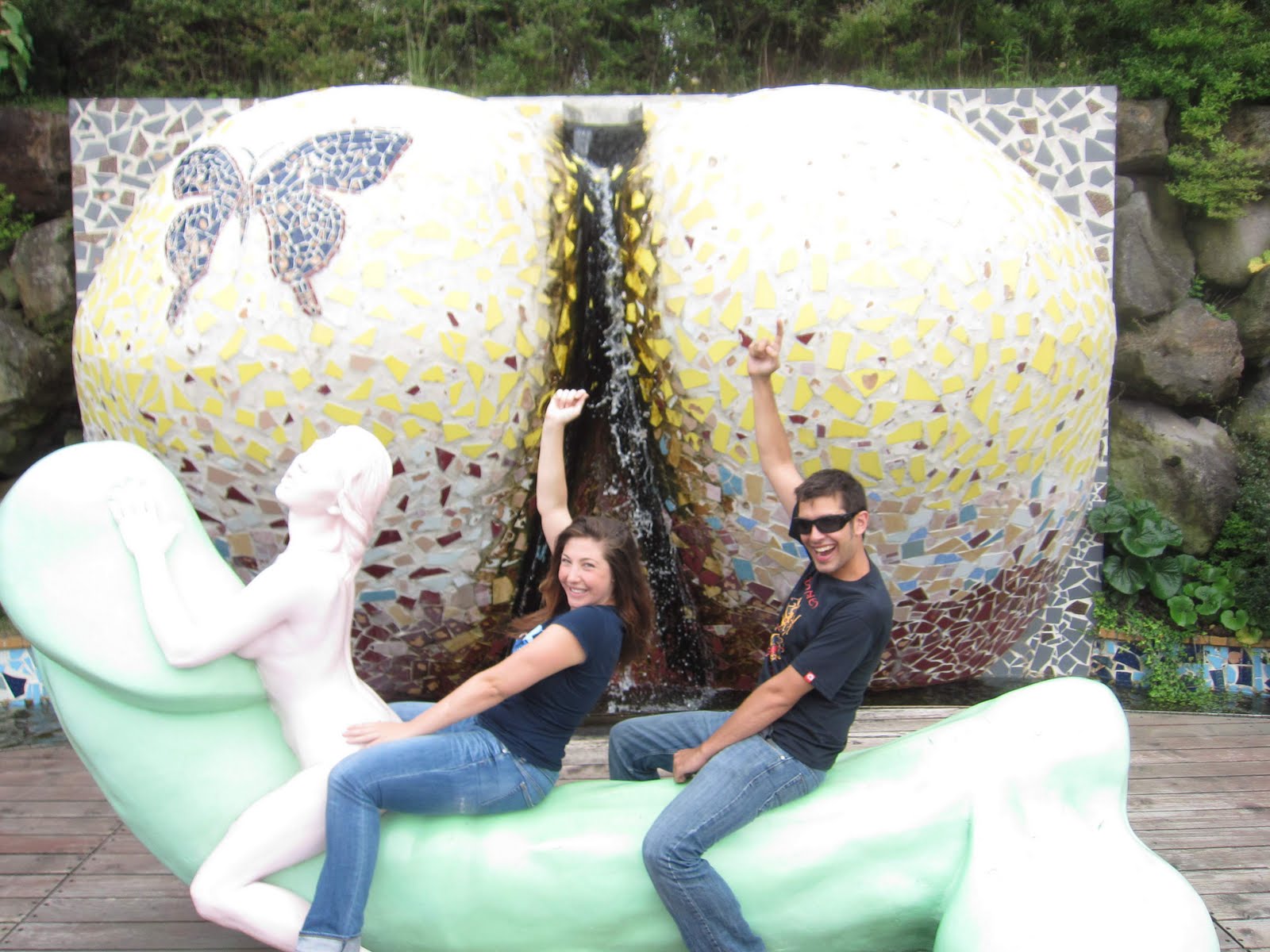
Most memorable experiences: Korean food (both good and bad), riding a giant concrete penis in Jeju Loveland

When you have visited other asians nations such as Japan and China, Korea feels a bit, well, hackneyed. It's good for a visit within a roundtrip in the area, but I honestly think Seoul (and maybe Jeju Island) will suffice. Explore the amazing cuisine and don't order any obscure seafood platters. Koreans are, even with (mostly young) exceptions, some of the most unapproachable people on the planet and the more foreign you look the more racism you will encounter. The unofficial national symbol is the Penis, which you will encounter with astonishing frequency in museums, parks and temples.

Dubai


Highlights: See all the things you could do if you had too much money

Lows:See all the things other people can do with too much money

Most memorable experiences: realizing that if you give a goatherd a billion dollars he will still be a goatherd

I understand that you would come to Dubai to earn money. I would not understand if you came to have a good time. If you did, that's cool, probably speaks for your ability to find goodness in even the most adverse conditions. I still recommend that you check it out in case you fly through, just so you can say you have been. People with an ego problem are required to wear red checkered headgear in Dubai, and you should well stay clear of those marked in such a manner.

Awards

When you travel, locations are only one part of your experience. The other part is people, and this chapter exists to say thank you to all the great people who have made my trip amazing. There is only one award per person, even if you would fit in several categories. I chose the one I found was the most fitting, so don't be upset if you don't appear in any other. I have used pictures from your public social network profiles assuming you are comfortable with this level of internet privacy. If you want to be removed, however, tell me.
If you feel you deserve an award, but cannot find yourself here, don't sulk! Chances are I have missed you in all the picture clutter or I did not have your details. Just rest assured I do remember you and that that oversight is purely administrative, not personal.

So thank you all, and all the best in your future(s). I hope to see you again some time.

Homefront Fighter


This award is for all the people who have been (visibly) following my travels and pictures, provided little favours in times of need, got me up when I was down or sent me care packages, and all that from home! First and foremost that's my parents and brother, followed by all these lovely people:

Sandra, Alec, Chris, Mille, Jamie, James, Jan, Kieran, Paul, Sanna, Simon, Tim, Nadja , Sara, and Marta.

Your kindness, insight and interest has been pulling me through the hard bits. Thank you!

Helpful Tourguide


This prize is for all the people who have been showing me around, explained their culture or otherwise gave me insight into local life. I am many experiences richer because of you people:

Om, Mundo, Anna, plus Aaron's flatmate, and my Indonesian guide Agus.

You made my travels authentic and memorable. Thank you!

Terrific Travelbuddy


What would be traveling without random strangers becoming friends within instants? You received this award because traveling with you was fun, easy and has added immensely to my travels. Good luck to you fellow traveling souls:

Autumn, Cara, Katalin, Rob and Thomas.

Who would have thought that putting up with me could be so much fun? Cheers, guys!

Great Host


Being a good host requires spontaneity, patience and a big heart. For all those great character traits and putting up with me, this award goes to all you people who went out of their way to give me shelter and a temporary home. Thank you:

Aaron, Alex, Vaness, Samane and Samira, Annie, Donnelly, Harald, Rene, Mimi, Lulu, Tom and Mike. 

Additional thanks goes out to all the nice Iranians, Indonesians and Mexicans who have randomly invited me to stuff. Thank you all!

Inspiring


Sometimes people you encounter, something they tell you, or something you share with them opens up a new perspective on your life. You all have done this, but I shall not tell you how. I think you might have an idea or two.

Osiris, Nanny, Karen, Kunal, Mehtab

Passions are a rare gift. Thank you for sharing yours.

Awesome To Hang Out With 


Yes, finally there is a reward for being a good chiller, a party animal or simply a socialite. You have earned it for adding to my good times, being part of the expedition team wading through the booze-soaked urban jungles and climbing the lofty party mountains. You are now certified to be good fun. If you want, you can print this out and pin it on your jacket. You'd be the type*. 

Beni, Carlos, Celia, Lisa, Danny, Kirsten, Eunan, Robert, Genevieve, Gilles, Harriet, Jen, Jes, Joeri, Johnny, Karin, Lea, Maggie, Margie (harr), Nathan, Youngbin, Rob, Ryan, Siete, Sofia, Thanacha (uhm, spelling?), Tolmie, Violet, Ciani plus many many others without picture or details.

Keep on rocking kids and cheers for a great time!

So again, thank you all for being there. It's been an amazing experience in so many ways. Keep in touch and come visit me some time.

*Originally there was also a 'Manwhore Award', but I figured your already fragile reputation might finally break under the weight of all your conquests, and I am not one to spoil a good man's enjoyment. So instead you find yourself scattered across the awards.You know who you are, anyway. :D